Each year, RITM invites a distinguished lecturer for a multi-day visit to speak with groups of students and present public lectures.
-

Judith Butler, Spring 2025
Judith Butler (Spring 2025) Judith Butler is an American feminist philosopher and gender studies scholar whose work has influenced political philosophy, ethics, and the fields of third-wave feminism, queer theory, and literary theory. On Thursday, March 27th of 2025, Judith Butler presented their lecture "Fascist Passions" at Yale's Humanities Quadrangle.
Spring 2024
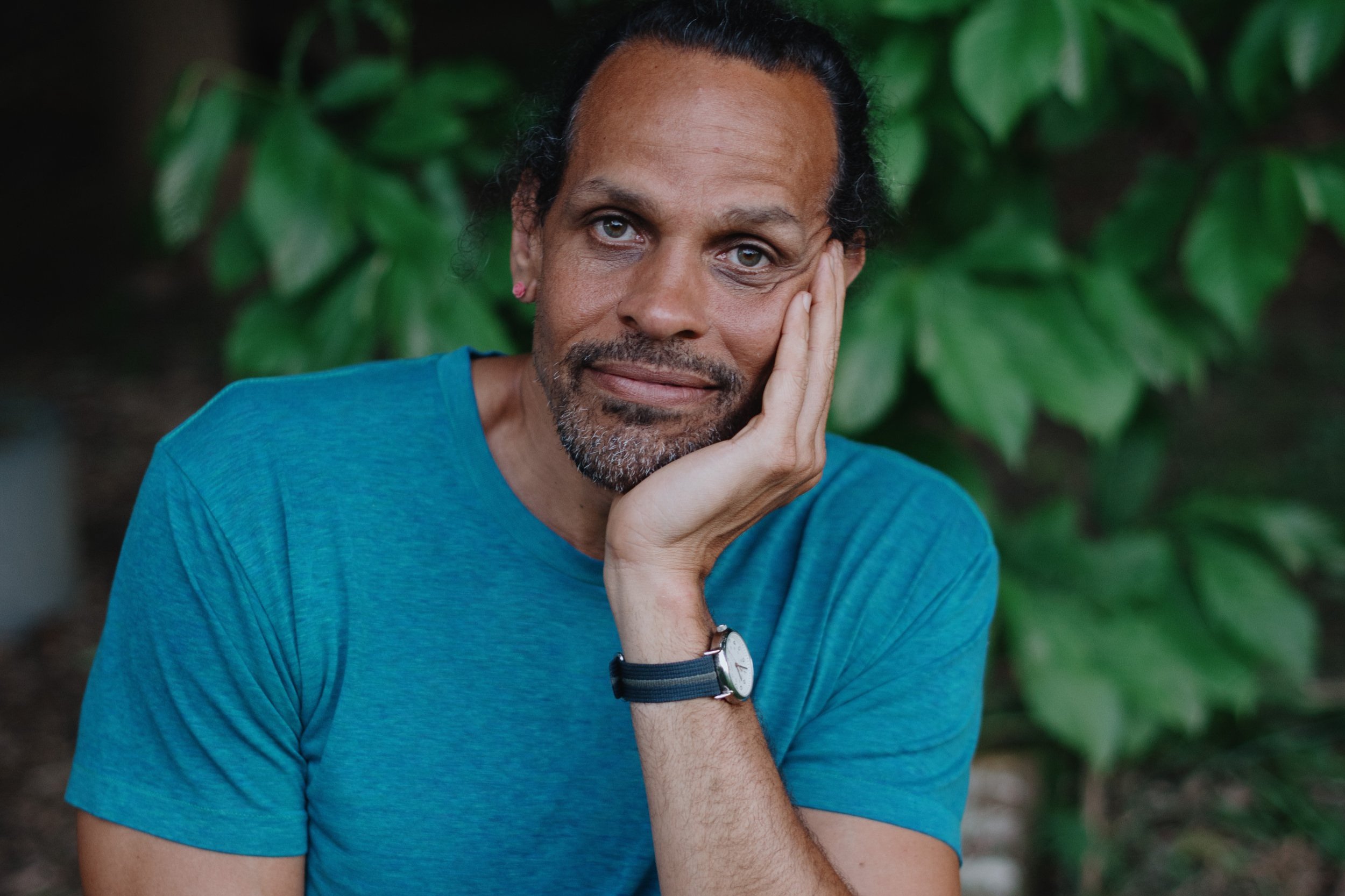
Ross Gay
Ross Gay is an American poet, essayist, and professor who won the National Book Critics Circle Award for Poetry and the Kingsley Tufts Poetry Award for his 2014 book Catalog of Unabashed Gratitude, which was also a finalist for the National Book Award for Poetry.
On February 21, 2024, Ross Gay visited Yale and conversed with students about his writing.

Spring 2023
Ada Limón
Ada Limón is an American poet. On July 12, 2022, she was named the 24th Poet Laureate of the United States by the Librarian of Congress. This made her the first Latina to be Poet Laureate of the United States.
On February 1, 2023, Ada Limón spoke with Alicia Schmidt Camacho, Professor of Ethnicity, Race, and Migration and read poems from The Carrying (2018) and The Hurting Kind (2022).
Conversation and Reading with Poet Laureate Ada Limón at Yale

Fall 2022
Laura Briggs
Professor Briggs is an expert on U.S. and international child welfare policy and on transnational and transracial adoption. Briggs' most recent book, Taking Children: A History of American Terror (University of California Press, 2020), examines the 400-year-old history of the United States use of taking children from marginalized communities— from the taking of Black and Native children during America's founding to the Donald Trump's policy of family separation for Central American migrants and asylum seekers at the U.S./Mexico border-as a violent tool for political ends.
Laura Briggs' lecture "Taking Children as a Tactic of Terror in the Americas Producing neoliberalism and making a 'crisis' of immigration and asylum" was delivered on October 27, 2022.

Fall 2019
Ruth Wilson Gilmore
Meanwhile (Parts I & II) | November 18 & 19, 2019
These lectures explore how a small group of organizers combined experience with theoretical insights to create an abolition geography that weakened California's long-thickening carceral geography. What are some tasks organizers set for themselves? What kinds of social and spatial challenges arose? How did engagement with problems -- including organizers' political and rhetorical failures -- encourage consciously renovated participation in rural and urban contexts? Focusing on questions of race, gender, labor, age, status, long-distance migration, and changing state forms, the California cases provide insights that articulate with work elsewhere in the United States as well as abroad on a strong tendency in contemporary racial capitalism.